Tracing the Journey of the UK Gas Network from 1930 to Present Day
October 9th, 2023
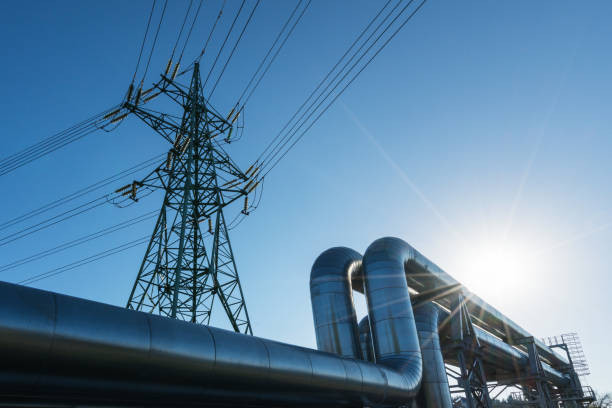
From Pioneering Beginnings to Modern Infrastructure: The Evolution of the UK Gas Network
Introduction:
Since its inception in the early 19th century, the UK gas network has played a pivotal role in providing energy to homes, businesses, and industries across the nation. From the humble beginnings of gas lighting to the advancements in gas heating and cooking, the UK gas network has undergone significant transformations over the decades. In this article, we delve into the rich history of the UK gas network, exploring its key milestones and the remarkable progress that has shaped it into the robust and versatile infrastructure we rely on today.
1. Birth of the Gas Network (1930s-1950s):
In the 1930s, the UK witnessed a significant expansion of the gas network, with the establishment of numerous gasworks across the country. These facilities produced coal gas, which was distributed through an extensive network of underground pipelines. The gas was primarily used for gas lighting, providing a safer and more efficient alternative to oil lamps and candles. As the network grew, more communities were connected, and the benefits of gas became increasingly accessible.
2. Transition to Natural Gas (1960s-1970s):
The 1960s marked a turning point in the history of the UK gas network. The discovery and development of North Sea natural gas reserves led to a gradual shift away from coal gas. The conversion process began in the late 1960s and continued into the 1970s, as the UK embarked on an ambitious endeavor to transition to natural gas. This transition brought numerous benefits, including cleaner and more efficient energy, reduced pollution, and improved safety.
3. Nationalization and Industry Restructuring (1980s-1990s):
The 1980s witnessed the nationalization of the UK gas industry, leading to the formation of British Gas as a state-owned entity. However, in the 1990s, the industry underwent significant restructuring and privatization, resulting in the separation of gas supply, transportation, and distribution functions. This restructuring introduced competition and paved the way for a more market-driven and customer-centric approach to the gas industry.
4. Advancements in Safety and Infrastructure (2000s-2010s):
Over the past few decades, substantial investments have been made in the UK gas network to enhance safety measures and infrastructure. Stringent regulations and rigorous maintenance programs have been implemented to ensure the integrity of the network, reducing the risks associated with gas transportation and distribution. Technological advancements, such as advanced leak detection systems and smart meters, have further improved safety and efficiency.
5. Towards a Low-Carbon Future (Present Day):
In recent years, the focus has shifted towards decarbonizing the gas network and reducing greenhouse gas emissions. Efforts are underway to introduce renewable and low-carbon gases, such as biomethane and hydrogen, into the network. These alternatives have the potential to significantly reduce carbon emissions and support the UK's ambitious net-zero targets. The exploration of new technologies and the collaboration between industry stakeholders are driving the evolution towards a greener and more sustainable gas network.
Conclusion:
The history of the UK gas network is a testament to human ingenuity and innovation. From its humble beginnings in gas lighting to the modern infrastructure serving millions of consumers, the network has adapted and evolved to meet the changing needs of society. As we embrace a low-carbon future, the UK gas network continues to play a vital role in providing reliable and sustainable energy to communities across the nation.


.jpeg)


